
Intermediate
Har ki doon & Ruinsara taal
- 8 days
- Group Size:
- 12,000 ft/3650 meters
₹+GST
Description:
Make memories in the Valley of Gods!!!
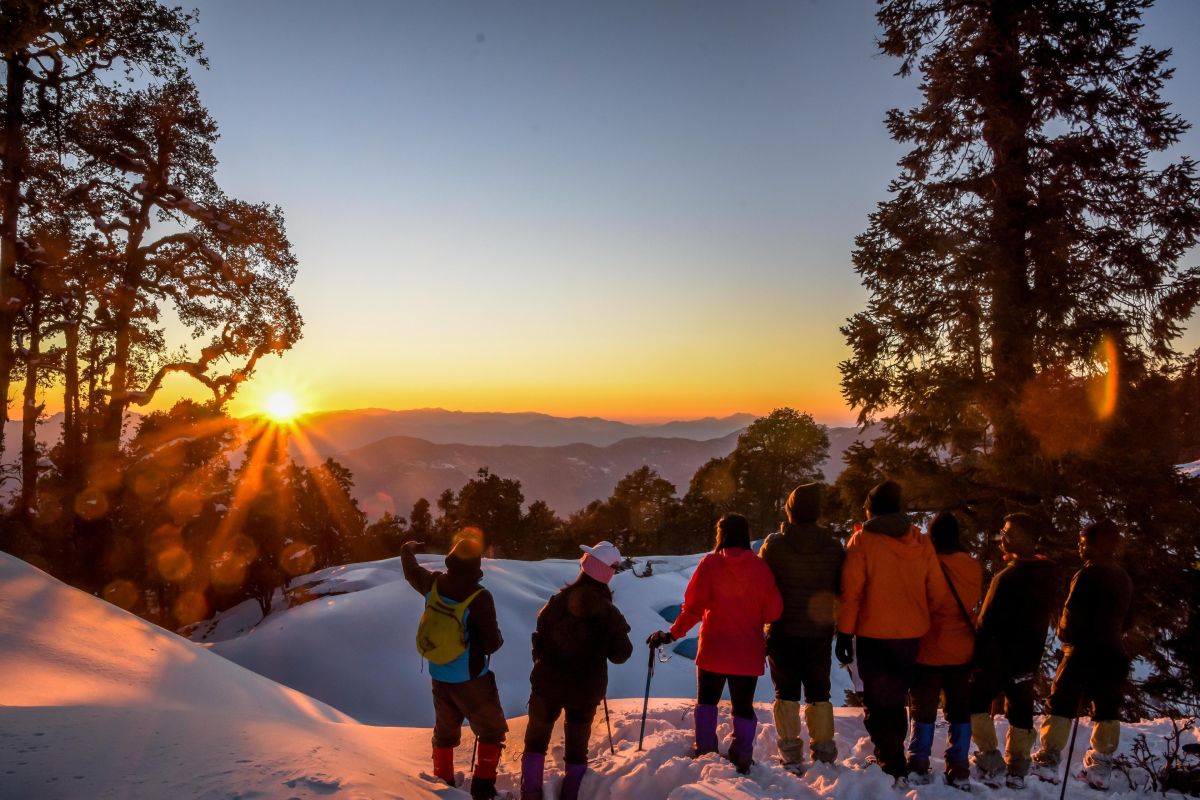
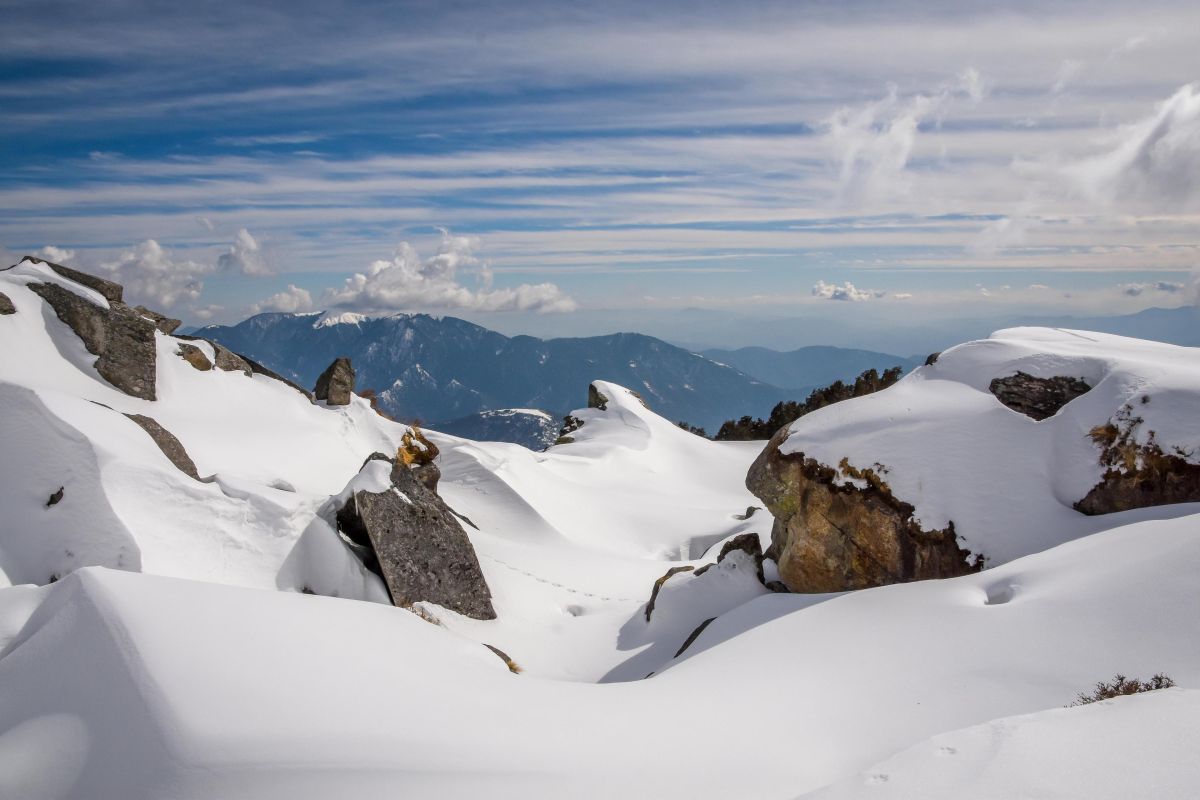
If there is a cultural trek in India, then it has to be the Har Ki Doon trek which is rich in 500-year-old culture and which is also known as the Valley of Gods. Har Ki Doon and Ruinsara Tal trek not only has awe-inspiring Himalayan landscapes but also a unique cultural significance. So if you are a seasoned trekker as well as a nature lover, then this trek is absolutely ideal for you located in the heart of Govind Wildlife Sanctuary in the Uttarkashi district of north-west Uttarakhand.
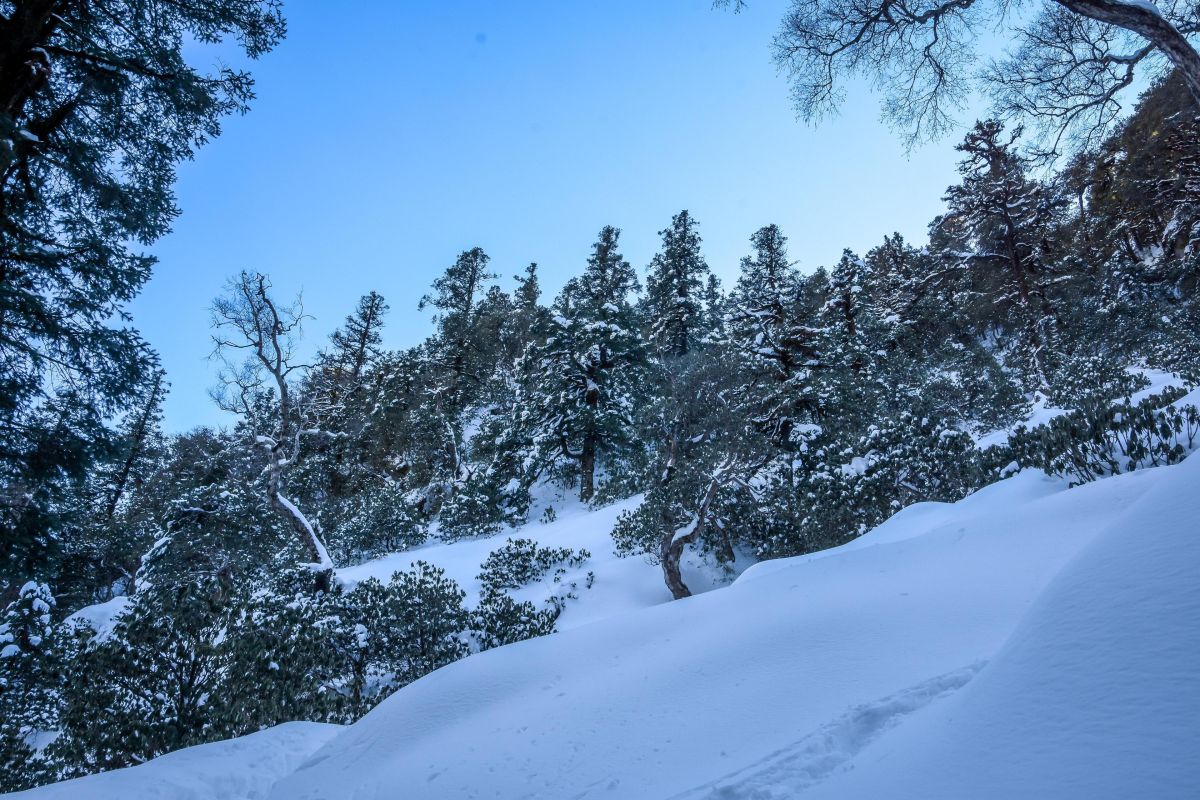
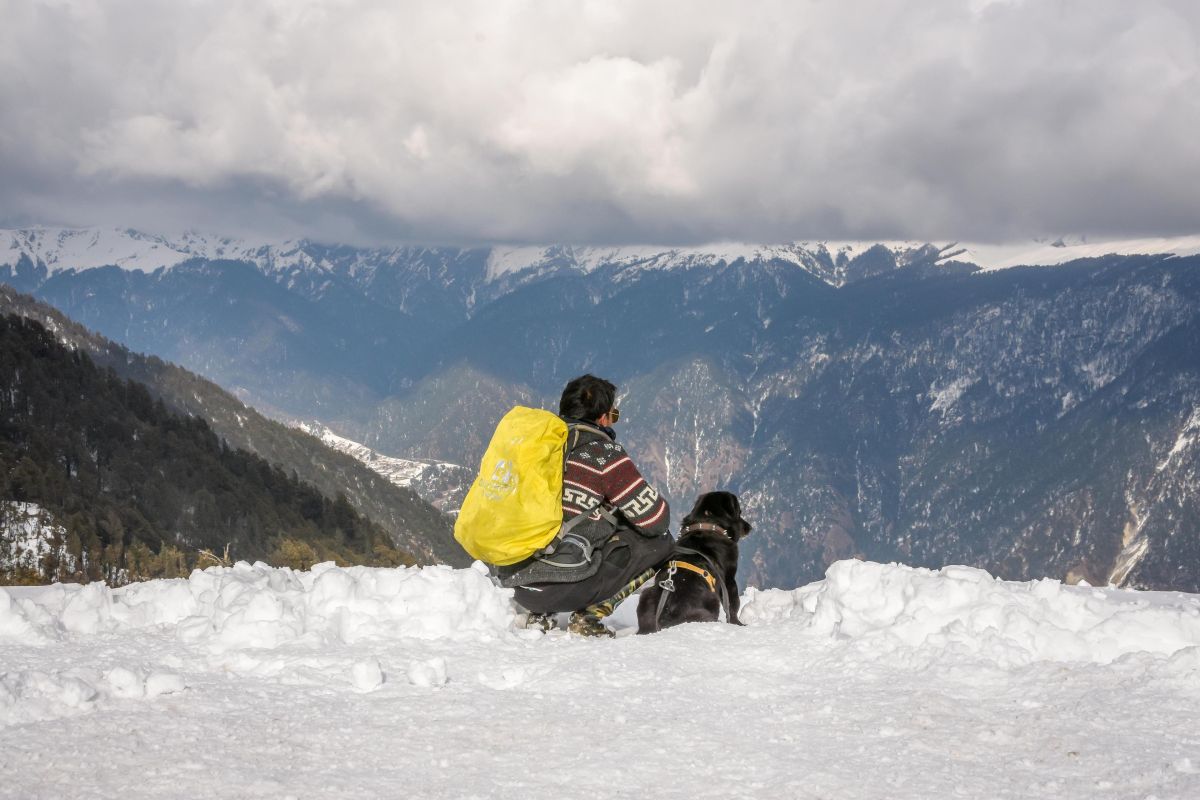
A walk into the Har Ki Doon Valley will delight you with spectacular views of the Swargarohini Peaks, Bandarpoonch, Kala Naag or the Black Peak, and Hata Peak. In addition to this, the trek will also take you through dense pine forests and lush green alpine meadows. In fact, its catchment area is considered to be the main water source for the River Yamuna. The journey to this stairway to heaven will make you eternally fall for the Himalayas. Furthermore, you also have high chance to get a glimpse of the rare Himalayan Blue Sheep and Wild Boars while exploring this magical and spiritual valley.
Har Ki Doon and Ruinsara Tal trek not only has jaw-dropping landscapes and magnificent mountain views but are also brimming with Indian mythology. The trail of this trek is known to be the oldest route as it is believed that the Pandavas of the Mahabharata took this exact route for their ascent to heaven.
The Har Ki Doon Valley is also believed to be part of Duryodhona kingdom, the Kaurava Prince and there was a clan of people who were so loyal to him who lived near Osla which is still there. Even the only Duryodhona temple in India is still there in Osla and is worshipped to date. The name Har Ki Doon also translates to the music of Lord Shiva. Even the Ruinsara Lake is also considered to be sacred and the villagers of Osla worship the lake. It is also believed that the Pandavas rested at Ruinsara Tal on their journey to Swargrohini. Even when you visit Osla, you will get a glimpse of their distinct culture and pride in their existence that they do not want to connect to the outer world and are happy to remain hidden from society.
The route of Har Ki Doon trek was even popular as a trade route in earlier times which connected the Yamuna and Tons rivers. During those ancient times, this renowned trade route played a pivotal role in developing the economy and also influencing the culture of the Himalayan region with the plains of India. The inhabitants of this region belong to the Bhotiya and Jaunsari Tribes have their own centuries-old culture, and also practice Thang Ta Martial Art. These people are very friendly and you can also participate in their cultural events as well.
The beginning of this trek is from Sankri which is another beautiful hamlet in the Har Ki Doon Valley. The beautiful trail runs along the Supin River and it is a dreamy feeling straight out of a fantasy when you walk through the canopy of walnut, pine, and cedar trees.
Pick-Up and Drop Time
On day 1, our team will pick you up from Dehradun at 8 am, and on the last day, you will be able to reach Dehradun by 6 pm to 7 pm. So if you want to make any plans further, you should do it accordingly.
Best Time to Visit
May, June and October, November
The most striking part of the Har Ki Doon trek is that it can be done 7 months a year but still, the summer months of May and June and autumn months of October and November are considered to be the best time to conduct this trek. In the summer season, the temperature in the daytime is between 18 °C and 24 °C which is quite moderate, and in the night, the temperature falls down to 3 °C and 8 °C. There won’t be the presence of snow during the summer season. In the autumn season, the temperature in the daytime is between 8 °C and 10 °C and in the night, it falls down to 0 °C and -5 °C. If you will do the trek in the last week of October, you might be lucky enough to witness the first snowfall of the season.
Suitable Age Group: Har Ki Doon trek is suitable for people of age group between 8 years to 62 years. However, for those who are below 18 years old, need to come with their parents or guardians. Even for people who are above 50 years, please get yourself checked from a doctor before coming for the trek.
Mobile Network Availability
During the Har Ki Doon trek, the coverage of the mobile networks is not that good and after Sankri, networks are not available. In Sankri, the available mobile network connections are Airtel, BSNL, Vodafone, and Jio but none of them are strong enough.
How to Reach
By Air
The Jolly Grant Airport in Dehradun is a domestic airport and has flights coming from all the major cities. However, since it is not one of the busiest airports, tickets are quite expensive, so it is advised to book the tickets in advance.
By Train
The nearest railway station is Dehradun junction or Haridwar junction. From Kolkata, you can board Upasana Express or Kumbho Express that leaves from Howrah. Or one can also reach Delhi and then take any train to Dehradun. Dehradun is well connected by train to all the major cities in India.
By Road
Dehradun is well connected by road networks from Delhi and other nearby cities. Hence you can take a cab from Delhi or any other nearby cities and reach Dehradun easily. Even regular bus services are also available in and out from Dehradun.
Included
-
Accommodation at sankri (hotel or guest house).
-
Accommodation while trekking at tents or trekker's hut.
-
Transportation to Taluka from Dehradun and to Dehradun from Taluka.
-
Meals from day 1 dinner (Sankri) to day 8 breakfast (veg).
-
Trek equipment like sleeping bags (those who don't have their own), mattresses.
-
Trekking permits.
-
First aid medical kits.
-
Qualified & experienced trek leader.
-
One local guide.
-
porters/mule to carry group luggages and some personal items (sleeping bags, mattresses, utensil).
Exclude
-
Porter/mule to carry personal luggage.
-
Hotel stay in dehradun.
-
Foods on the way, while in the car.
-
Insurance for clients.
-
Entry Fees.
-
Anything not specifically mentioned under the head.
Highlights of The Trek
The highlights of the Har Ki Doon and Ruinsara Tal trek are as follows:
What To Pack
- Trekking pole
- Water bottle
- Head lamp
- Sunglasses
- Power bank
- Rain cover for rucksack
- Raincoat
- Windproof jacket
- Gaiters
- Waterproof trekking shoes
- *Micro Spikes (Provided by us)
Tour Plan :
Day 1
Drive to Sankri
On day one, after breakfast in Dehradun, we will drive to Sankri (1950 m), a 210 km journey that takes about 10 hours. The route passes through the hill station of Mussourie and the iconic Kempty Falls. The drive is scenic, with the Yamuna River accompanying us and blue pine forests lining the way. The last 22 km is breathtaking as we enter Govind National Park. The road becomes bumpy, but the stunning views of dense coniferous forests, Tons river valley, and apple orchards are worth it. By 6 pm, we will reach Sankri, a charming village with an incredible view of Mt. Swargrohini. Watching the sunset here is a treat for the eyes. Overnight stay in Sankri at a homestay.
Day 2
Trek to Osla
Today we will drive to Taluka (2200 m) and from Taluka we will trek to Osla (2750 m). We will start at 8 am after breakfast. The distance from Sankri to Taluka is 12 km which is 1 hour drive and from there we will finally start our trek to Osla village. The distance of Osla from Taluka is 14 km which will take approximately 7 to 8 hours. At Osla, we will stay in a homestay. Osla is a quaint little village that is rich in culture and belongs to the Bhotioya tribe and wooden houses. You should definitely visit the only Duryodhona Temple in India. Night stay in Osla village.
Day 3
Trek to Kalkatiyadhar
On Day 3, we start our trek from Osla village (2750 m) to Kalkatiyadhar (3024 m), covering 8 km in 4-5 hours. After breakfast, we begin by crossing a large bridge over the Supin River. As we leave Osla, we pass Amaranth farms and face a steep 1-hour climb. The trail offers stunning views of the Bandarpoonch and Swargrohini ranges. After the climb, we reach a lush green meadow for the next 4 km, leading to our campsite at Kalkatiyadhar by lunchtime. Our campsite offers breathtaking views of Buyal Devsu, Mt. Black Peak, the Ruinsara range, and the Kedarkantha summit. Enjoying a hot lunch in this scenic beauty is an unforgettable experience. Overnight stay at Kalkatiyadhar.
Day 4
Trek to Har ki Doon valley then trek to Boslo
On Day 4, we trek from Kalkatiyadhar (3024 m) to Har Ki Doon (3566 m) and then to Boslo (3192 m), covering approximately 15 km in 8 hours. The trail becomes easier, offering stunning views of Hata Peak. Har Ki Doon Valley, nestled at the foot of the peak, is serene and picturesque, with a stream flowing through it. The valley is a highlight of the trek, so take time to enjoy it. We’ll also visit Marinda Tal, 2 km beyond HKD, where a waterfall and tea shop await. The valley lies between the Jaundhar and Hata Glaciers, with Har Ki Doon Peak towering nearby. Bhojpatra trees, used for ancient scriptures, are abundant. We then head toward Swargrohini Peak to reach Boslo for the night.
Day 5
Trek to Untigad
On our 5 th day, we will trek from Boslo (3192 m) to Untigad (3400 m). The distance travelled is 12 km which will take around 6 hours to reach. The entire trail today is full of beauties of nature that will surprise you with every step you make. Initially for first 6 km, the trail will be moderate towards Osla village. From there is a downhill trail that runs towards the Ruinsara Valley. Our Untigad campsite is just near a waterfall that is extremely beautiful and passes through a dense forest of age-old trees that seems to kiss the sky. The Untigad campsite is at a point where the forest ends to a vibrant lush green meadow and the gurgling sound of Swarndhara or Shahidhara waterfall. The perfect campsite straight out of the palette of your dreams. Our Untigad campsite is not far away from Ruinsara Tal and do not miss the beautiful night sky full of stars above.
Day 6
Trek to Ruinsara tal
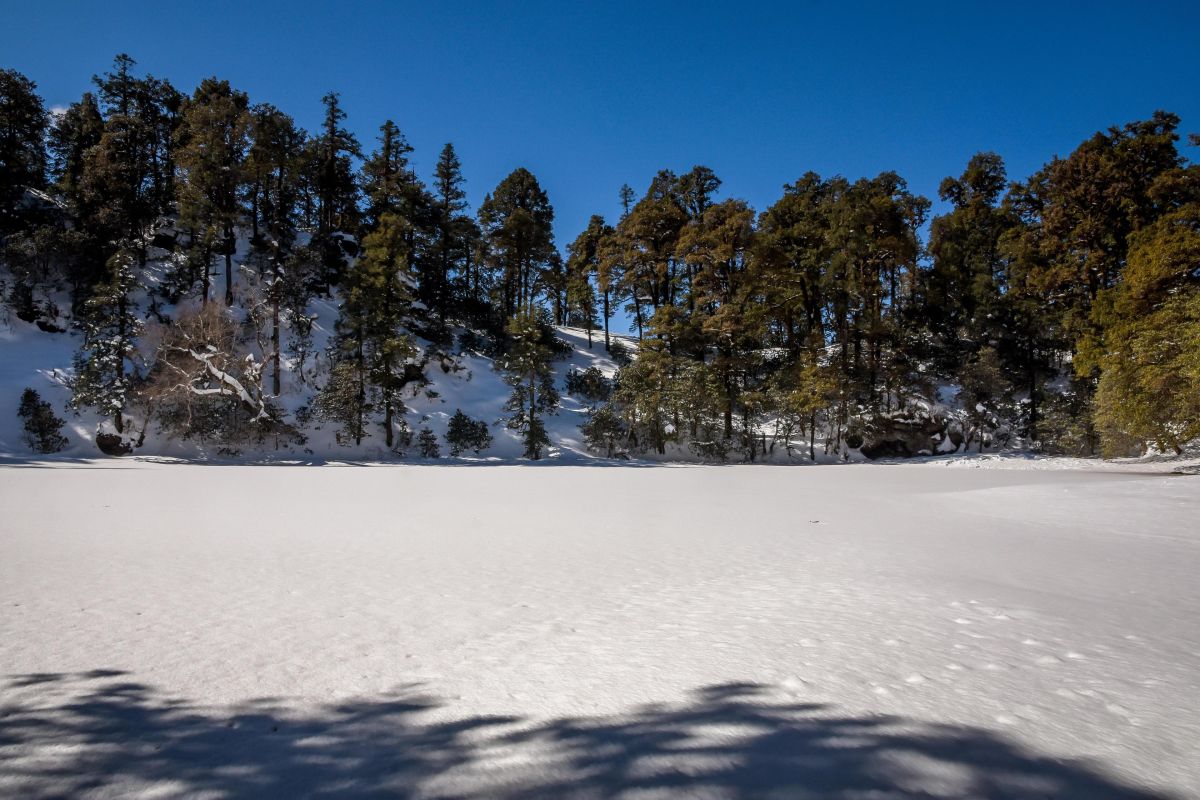
On Day 6, we trek from Untigad (3400 m) to Ruinsara Tal (3565 m) and then to Devsu Bugyal (3000 m), covering 14 km in about 7 hours. The trail is mostly downhill, offering stunning views of snow-capped mountains, meadows, rivers, and waterfalls. Ruinsara Tal, a sacred lake surrounded by Rhododendron bushes, is just 1.5 km from Untigad. The lake provides breathtaking 360-degree views, with peaks like Mt. Dhumdhar Kandi (5873 m), Bandarpooch Peak (6387 m), Kala Naag (6387 m), and White Peak (6102 m). During the Rhododendron bloom, the landscape is adorned with pink and purple flowers. The trail to Devsu Bugyal is quick and leads to a picturesque campsite amidst pine trees. Night stay at Devsu Bugyal campsite.
Day 7
Trek to Taluka, then drive to Sankri
On our 7 th day, we will trek from Devsu Bugyal (3000 m) to Taluka (2200 m) via Gangad village. From Taluka, we will drive back to Sankri (1950 m). Today is the last day of our trek. The distance covered today is 16 km that will take around 7 hours to reach Taluka. The trail is mostly downhill today and we will start after breakfast and should reach Taluka by afternoon. From Taluka we will drive back to Sankri in another hour. Night stay at Sankri.
Day 8
Drive to Dehradun
On our 8 th day, we will drive from Sankri (1950 m) to Dehradun. The total distance covered today is 210 km that will take 10 hours. Hence we will start early by 8 am after breakfast as there is a long journey ahead. You should reach Dehradun by 6-7 pm. So we advise you to make your further plans after 8pm.
Guest Speak
Trekking to Har Ki Doon was like stepping into a world where time stands still, surrounded by towering peaks, ancient villages, and untouched nature. From the very first step, the picturesque trails through dense pine forests, gurgling streams, and blooming alpine meadows filled my heart with awe. Walking alongside the River, crossing quaint wooden bridges, and witnessing the majestic Swargarohini Peaks in the backdrop felt like a dream. The warmth of the locals in Osla, their fascinating tales, and the sight of the centuries-old Duryodhana temple added a unique cultural charm to the journey. The mythical story attracted me very much. Reaching Har Ki Doon Valley, with its vast expanse of green meadows cradled by snow-capped mountains, was more than magical. Sitting there, breathing in the crisp mountain air, I felt a deep sense of peace. This trek was my first journey in Uttarakhand, the devbhoomi. I was excited with the feel of nature and mythology. This trek was not just about adventure—it was a journey through mythology, history, and the raw beauty of the Garhwal Himalayas, an experience I will cherish forever for sure.- Soumya Prakash Banerjee
Customer Review
overall Ratings
Out of 5
Overall
Rating
5.0
Client’s Review
0 Reviews
(0 out of 5)
Recent News